
SERVICES
Tile Polishing
Refresh the appearance of suitable tiled surfaces with tile polishing in Liverpool and across wider Sydney.
GET A FREE QUOTE
Sydney Wide
24+ years experience
Owner Operated
Fair Pricing
What Is Tile Polishing?
Tile polishing in Liverpool is a surface treatment used to improve the appearance of suitable tiles by reducing the visibility of dullness, light surface marks and everyday wear. The correct method depends on the tile material, its existing finish and its overall condition. Some tiles can be polished to restore a cleaner, more reflective appearance, while others have factory finishes or textures that should not be altered through conventional polishing. Before work begins, the surface needs to be assessed to determine whether polishing is appropriate and what preparation may be required. Grout condition, stains, residue and damage can also affect the finished appearance. Tile polishing may be considered during renovations or as part of maintaining tiled areas in homes and commercial properties. Tile and concrete polishing professional provides services in Liverpool and surrounding Sydney areas, helping property owners understand the options available for their particular tiled surfaces. An assessment helps establish a suitable approach based on the tile type, its condition and the appearance you want to achieve.
Why Choose Tile and concrete polishing professional for Tile Polishing?
Experience With Different Surface Types
Tile polishing requires an understanding of how different materials respond to surface treatments. With trade experience dating back to 2002, Tile and concrete polishing professional recognises the importance of checking the tile type and existing finish before selecting a method. This assessment helps determine whether polishing is suitable and reduces the risk of using an inappropriate treatment on the surface.
Honest Advice About Your Tiles
Not every tile can be polished in the same way, and some surfaces may be better suited to cleaning or another form of treatment. An assessment helps identify the condition of the tiles, including visible wear, residue and damage. The business values honest advice so you can understand the work that may be appropriate before deciding how to proceed.
Reasonable Pricing for Your Project
The work involved in tile polishing varies according to the area size, tile material, existing finish and condition of the surface. Tile and concrete polishing professional values reasonable prices and clear communication about the work required. Discussing your tiles and the result you are looking for helps establish the scope of the job before work begins.
Service Across Liverpool and Wider Sydney
Based in Casula, Tile and concrete polishing professional takes on jobs across Liverpool and wider Sydney. Service areas include Prestons, Moorebank, Lurnea, Glenfield and surrounding suburbs. Whether you need to refresh tiles in a residential property or improve the appearance of a tiled commercial area, you can discuss your project and arrange an assessment of the surface.
What Tile Polishing Covers
Tile polishing covers surface treatment intended to improve the appearance of suitable tiles. Depending on the material and its condition, the work may involve assessing the finish, preparing the surface and using an appropriate polishing method. The process can help address some forms of dullness and light surface wear, but it will not repair every crack, chip or deep stain. Grout may require separate attention. Where tiles have a delicate, textured or factory-applied finish, the appropriate treatment must be determined before work starts to avoid damaging the surface.
Signs You Need Tile Polishing
Your tiles may benefit from assessment if they have become dull, show light surface marks or no longer have the appearance they had when first installed. Some tiled areas develop a cloudy look from residue or repeated cleaning, while frequently used spaces may show uneven wear. However, dullness does not always mean polishing is the right option. Deep scratches, chipped edges, loose tiles and cracked surfaces may need a different form of repair or attention. If cleaning has not improved the appearance of your tiles, an assessment can help determine whether polishing is suitable or whether another treatment would be more appropriate.
DISCOVER WHAT OUR CUSTOMERS HAVE TO SAY ABOUT US
REVIEWS
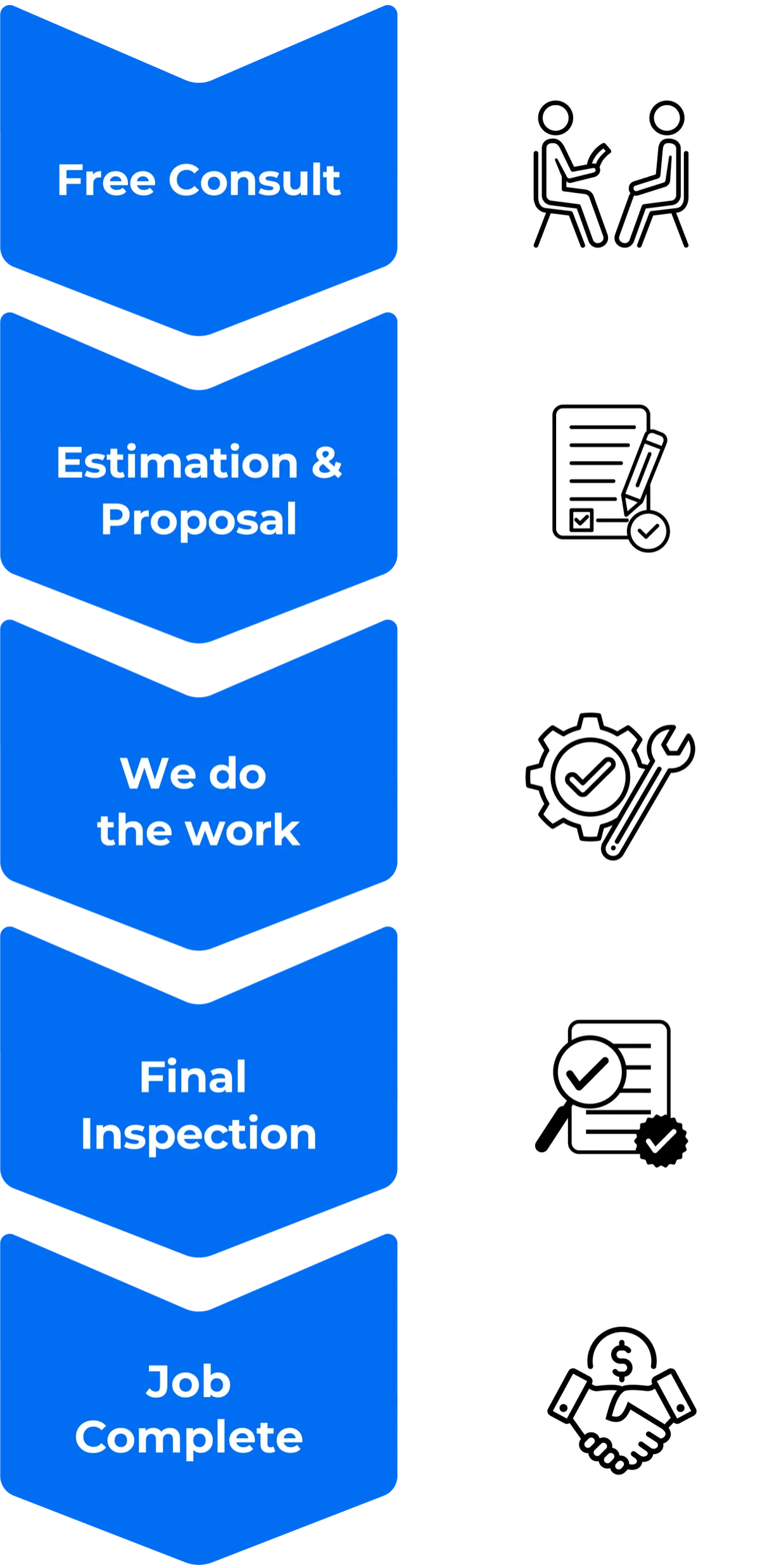
our process
A simple process from first call to finished job.

SERVICE AREAS
proudly serving Liverpool

FREQUENTLY ASKED QUESTIONS
Your questions answered
Can all types of tiles be polished?
No. Suitability depends on the tile material, its surface finish and the manufacturer's specifications. Some natural stone tiles may be suitable for polishing, while glazed ceramic and porcelain tiles can have finishes that should not be treated with conventional polishing methods. The surface should be assessed before deciding on the appropriate process.
Can tile polishing remove scratches?
Tile polishing may reduce the appearance of some light surface marks on suitable materials. However, deep scratches, chips and damage through the tile's finish may require repair or replacement instead. The result depends on the tile type and the depth of the damage, so an inspection is useful before work begins.
Does tile polishing change the tile's finish?
It can, depending on the material and polishing method used. Some treatments are intended to produce a more reflective appearance, while others aim to improve the surface without creating a high gloss. The existing finish and desired result should be discussed beforehand to determine what is suitable for your tiles.
Should tiles be cleaned before polishing?
The surface generally needs appropriate cleaning and preparation before polishing. Dirt, cleaning product residue and other contaminants can affect the work, but the preparation method must suit the tile material. Some residue may need a specific treatment rather than ordinary cleaning. The required steps depend on the surface condition.
How can I maintain tiles after polishing?
Follow cleaning advice suited to your specific tile material and finish. Use appropriate cleaning products, remove spills promptly and avoid abrasive tools or chemicals that could damage the surface. Regular cleaning helps prevent residue build-up, while periodic checks can identify scratches, staining or other changes that may need attention.
READY TO take the next step?
get a free quote TODAY!
Tile and Concrete Polishing Professional
145 Kendall Drive, Casula NSW 2170