
SERVICES
Stone Restoration
Stone restoration helps address wear, surface damage and changes in appearance on suitable stone floors and surfaces across Liverpool and wider Sydney.
GET A FREE QUOTE
Sydney Wide
24+ years experience
Owner Operated
Fair Pricing
What Is Stone Restoration?
Stone restoration is the process of treating worn or damaged natural stone to improve its condition and appearance. In Liverpool, it may be considered for stone floors that have developed scratches, dull patches, stains or uneven finishes through everyday use. The appropriate method depends on the type of stone, the extent of the damage and any previous treatments. Work may involve cleaning, grinding, honing, polishing, repairs or sealing, depending on what the surface needs. Marble, limestone, granite, travertine and other stones have different characteristics, so a treatment suitable for one material may not be appropriate for another. Some marks affect only the surface, while cracks, chips or loose sections may require separate repairs. Previous coatings and unsuitable cleaning products can also influence the restoration process. Assessing the stone helps establish which treatments are appropriate and what improvement is realistic. The aim is to improve the surface while taking account of the stone's natural characteristics and existing condition.
Why Choose Tile and concrete polishing professional for Stone Restoration?
Experience With Stone Surfaces
We have worked in the trade since 2002 and started our business in 2014. This experience informs our approach to stone restoration, where the type of stone and the condition of the surface determine the work required. We consider visible wear, previous treatments and the intended finish before discussing suitable restoration methods for your property.
Honest Advice About Existing Damage
Stone surfaces can develop scratches, stains, etching, chips and uneven areas for different reasons. Some conditions can improve through surface treatment, while others need separate repairs. We discuss the visible condition of your stone and the work it may require, helping you understand what restoration can address and which imperfections may remain.
Reasonable Pricing for Your Project
We aim to offer reasonable pricing based on the work involved in your stone restoration project. The stone type, size of the area, extent of damage and treatments required all affect the scope of work. Discussing these factors helps you understand the requirements before deciding how to proceed with restoring your stone floor or surface.
Service Across Sydney
We provide stone restoration services in Liverpool and south-west Sydney, and we also take on jobs right across Sydney. If your stone floor has become worn or damaged, you can enquire about the work needed at your property. Share the location and describe the stone's condition so we can discuss the restoration requirements.
What Stone Restoration Covers
Stone restoration starts with assessing the material, identifying visible defects and determining the appropriate treatment. Depending on the stone and its condition, the work may include cleaning, grinding, honing, polishing, repairing selected defects or applying a suitable sealer. Existing coatings, stains, cracks and chips can affect the process and may require specific attention. Not every surface needs every treatment, and the method should reflect the characteristics of the stone. The achievable result depends on the depth of the damage, the material and its previous maintenance. Appropriate care helps maintain the restored finish.
Signs You Need Stone Restoration
Your stone floor may need restoration if it has lost its original appearance, developed dull patches or shows scratches and wear in busy areas. You might notice stains that remain after cleaning, etching from acidic substances or differences in sheen between adjoining sections. Chips, small areas of damage and worn finishes may also indicate that the surface needs closer assessment. These signs do not always mean the entire floor needs extensive work. Some issues can be treated locally, while others may require grinding, polishing or separate repairs. Cracks, loose sections and ongoing movement should be assessed before cosmetic treatment begins. Identifying the stone type and cause of damage helps determine an appropriate restoration approach.
DISCOVER WHAT OUR CUSTOMERS HAVE TO SAY ABOUT US
REVIEWS
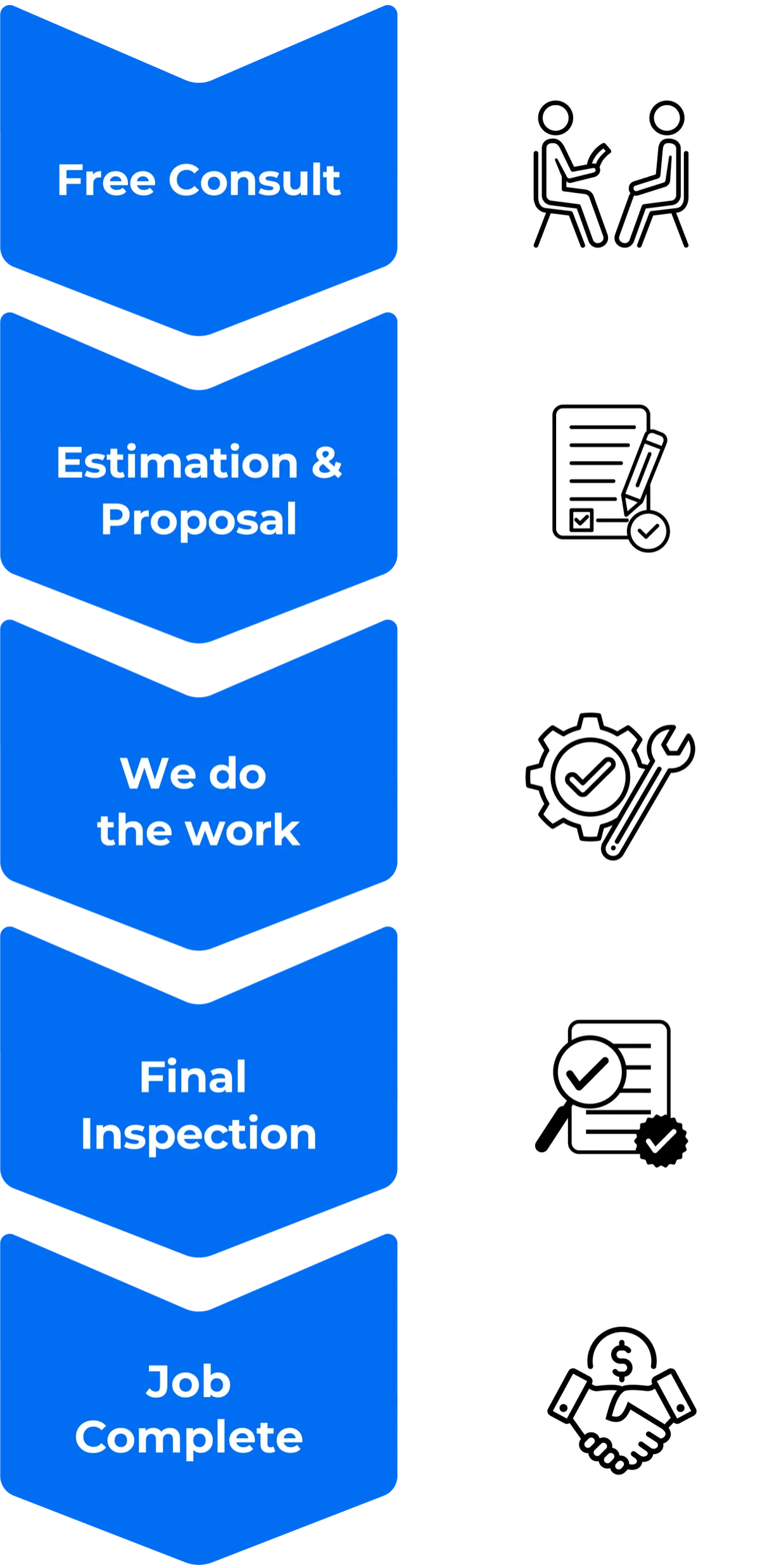
our process
A simple process from first call to finished job.

SERVICE AREAS
proudly serving Liverpool

FREQUENTLY ASKED QUESTIONS
Your questions answered
What types of stone can be restored?
Many natural stone surfaces, including marble, granite, limestone and travertine, may be suitable for restoration. However, each material has different hardness, porosity and treatment requirements. The appropriate method depends on the stone type, its existing condition and the finish required. An assessment helps determine which treatments are suitable.
Can stone restoration remove scratches and stains?
Some scratches and stains can be improved, but the result depends on their depth, cause and the type of stone. Surface scratches may respond to suitable grinding or polishing, while stains that have penetrated the material may require a different treatment. Some marks may remain visible after restoration.
Does stone restoration always involve grinding?
No. Grinding is used when the surface requires material removal to address certain irregularities or damage. Some stone surfaces may need cleaning, honing, polishing or sealing without extensive grinding. The treatment depends on the stone's condition and the improvements required, so the surface should be assessed before work begins.
Can damaged stone be restored without replacing it?
Some damaged stone can be improved through appropriate restoration and repairs, depending on the type and severity of the damage. Surface wear, dullness and certain scratches may respond well to treatment, while structural cracks or severely damaged sections can require more extensive work. An assessment helps establish practical options.
How can I maintain restored stone surfaces?
Clean the stone with a product suitable for its material and avoid harsh or abrasive cleaners that could damage the finish. Remove loose grit regularly and wipe up spills promptly, especially on stone sensitive to acidic substances. Follow the care instructions for any sealer or treatment used, as maintenance requirements vary by stone type.
READY TO take the next step?
get a free quote TODAY!
Tile and Concrete Polishing Professional
145 Kendall Drive, Casula NSW 2170