
SERVICES
Stone Sealing
Stone sealing helps protect suitable natural stone surfaces from certain stains and moisture penetration across Liverpool and wider Sydney.
GET A FREE QUOTE
Sydney Wide
24+ years experience
Owner Operated
Fair Pricing
What Is Stone Sealing?
Stone sealing involves applying a suitable protective product to natural stone to help reduce the absorption of moisture and certain staining substances. For properties in Liverpool, sealing may be considered for stone floors and other suitable surfaces that experience regular use or exposure to spills. Natural stone varies in porosity, hardness and sensitivity, so the appropriate sealer depends on the material and its location. Some sealers penetrate the stone, while others create a protective layer on the surface. Sealing does not make stone completely stain-proof or eliminate the need for regular cleaning. Before application, the surface needs to be assessed and prepared according to the product requirements. This may involve cleaning, removing unsuitable previous treatments and allowing the stone to dry. Existing damage, persistent stains and moisture issues may need attention before sealing. Choosing a product suited to the stone and its intended use helps establish an appropriate treatment for the surface.
Why Choose Tile and concrete polishing professional for Stone Sealing?
Experience With Stone Surfaces
We have worked in the trade since 2002 and started our business in 2014. This experience informs our approach to stone sealing, including the need to consider the type of stone, its condition and the environment where it is installed. We assess the surface before discussing preparation and suitable sealing options for your property.
Honest Advice About Sealer Selection
Different stone types absorb moisture and respond to treatments in different ways. A sealer suitable for one surface may not be appropriate for another. We discuss the condition of your stone and the intended use of the area so you can understand which factors matter when selecting a suitable product. Existing stains, coatings and damage may also affect preparation.
Reasonable Pricing for Your Project
We aim to offer reasonable pricing based on the work involved in your stone sealing project. The size of the area, type of stone, preparation required and selected sealer can all affect the scope of work. Discussing these details helps you understand what the project may involve before deciding how to proceed.
Service Across Sydney
We provide stone sealing services in Liverpool and south-west Sydney, and we also take on jobs right across Sydney. If you want to protect a suitable stone floor or surface, you can enquire about your property. Share the location and the type and condition of the stone so we can discuss the preparation and sealing requirements.
What Stone Sealing Covers
Stone sealing involves identifying the material, assessing its condition, preparing the surface and applying a compatible sealer. Preparation may include removing dirt, residue and unsuitable previous treatments, followed by allowing the stone to dry as required. The selected product depends on the stone's porosity, location and intended use. Some sealers are designed to penetrate the stone, while others provide a surface treatment. Application methods, drying times and maintenance requirements vary by product. Cracks, damaged sections and persistent stains may need separate attention before sealing begins.
Signs You Need Stone Sealing
Your stone surface may need sealing if water or spills are absorbed quickly, stains are becoming harder to remove or the existing protective treatment appears worn. You may also be considering sealing after stone restoration or polishing, depending on the material and treatment already applied. Stone in kitchens, entryways and other frequently used areas may be exposed to spills, dirt and moisture that affect its appearance over time. However, not every type of stone needs the same sealer, and some surfaces may not require sealing at all. Persistent moisture, existing coatings, cracks and damaged areas should be assessed before application. Checking the stone's condition helps determine whether sealing is suitable.
DISCOVER WHAT OUR CUSTOMERS HAVE TO SAY ABOUT US
REVIEWS
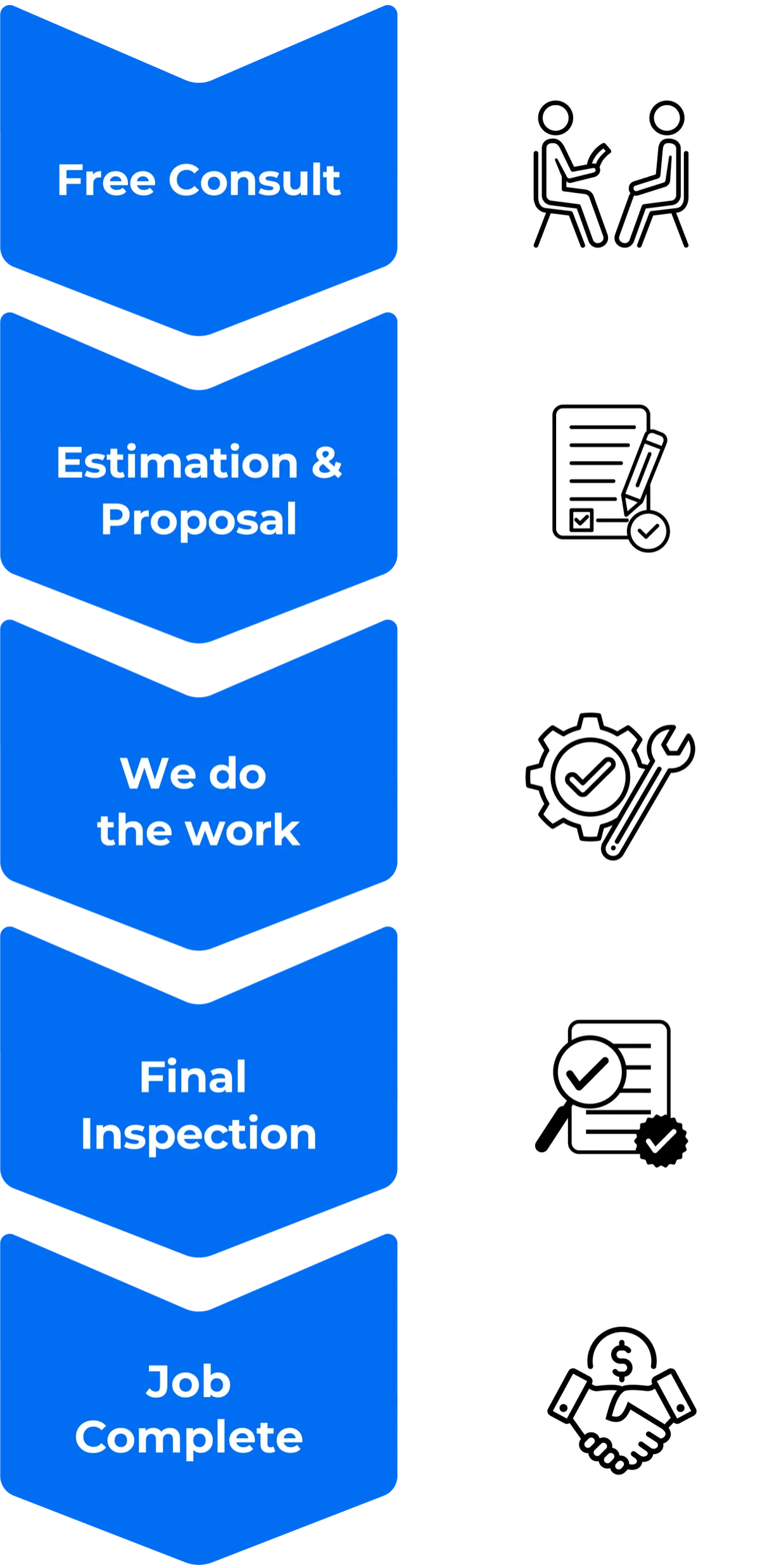
our process
A simple process from first call to finished job.

SERVICE AREAS
proudly serving Liverpool

FREQUENTLY ASKED QUESTIONS
Your questions answered
Why is natural stone sealed?
A suitable sealer can help reduce moisture absorption and staining on some natural stone surfaces. The level of protection depends on the stone, the product and the conditions in which the surface is used. Sealing does not make stone completely stain-proof, so regular cleaning and appropriate care remain important.
Does every type of natural stone need sealing?
No. The need for sealing depends on the stone's porosity, finish, location and intended use. Some stones may benefit from a suitable sealer, while others may need a different care approach. Identifying the material and reviewing any existing treatment helps determine whether sealing is appropriate.
Does stone need to be cleaned before sealing?
Yes, the surface generally needs to be clean and prepared according to the selected product's instructions. Dirt, grease, residue and moisture can affect application and performance. Some surfaces may also require removal of an incompatible previous treatment. The preparation method depends on the stone's condition and the sealer being used.
Will stone sealing change the appearance of my floor?
The effect depends on the sealer. Some products are designed to leave a natural-looking finish, while others may deepen the stone's colour or add a visible sheen. Testing or discussing the product before application helps clarify the expected appearance and whether it suits your preferences.
How often does stone need to be resealed?
There is no single resealing interval for all natural stone. It depends on the stone type, sealer, foot traffic, exposure to moisture and cleaning routine. Follow the product manufacturer's recommendations and monitor the surface for changes in water absorption or staining. The condition of the existing treatment helps determine when resealing may be appropriate.
READY TO take the next step?
get a free quote TODAY!
Tile and Concrete Polishing Professional
145 Kendall Drive, Casula NSW 2170