
SERVICES
Concrete Polishing in Glenfield, NSW
GET A FREE QUOTE
Sydney Wide
24+ years experience
Owner Operated
Fair Pricing
Concrete Polishing for Glenfield Homes and Renovations
Concrete polishing in Glenfield can be an option for homeowners updating an older property or planning flooring for a newer build. The suburb includes established detached houses and townhouses, alongside areas planned for further residential development. These different property types can have different floor conditions, from older slabs with worn surfaces to newer concrete requiring preparation before finishing. The right approach depends on the slab, its existing coatings and the appearance you want to achieve. Tile and concrete polishing professional brings trade experience dating back to 2002, with the business established in 2014, to help property owners assess their flooring needs.
Why Choose Tile and Concrete Polishing Professional in Glenfield
Suitable Preparation for Different Slabs
Glenfield's mix of established homes and newer residential areas means concrete floors can vary in age and condition. Some may have old adhesive or coating residue, while others may need surface grinding before finishing. Assessing the slab first helps identify the preparation required and whether the surface is suitable for polishing.
Consider the Finish Before Work Begins
Polished concrete can have different appearances depending on the slab, grinding stages and selected finish. Existing aggregate and surface imperfections can influence the final look. Discussing your expectations before work begins helps clarify what the concrete may realistically achieve and whether repairs or additional preparation should be considered.
Practical Planning for Occupied Homes
Flooring work can affect access to rooms and daily household routines. Before starting, consider furniture removal, adjoining floor coverings and how the work area will be accessed. Planning these details in advance can make it easier to organise the project, particularly when only part of an established home is being renovated.
Trade Experience Built Over Time
The business began in 2014 and draws on trade experience dating back to 2002. This background supports a practical approach to concrete and stone surfaces, including evaluating existing wear and identifying suitable preparation. Each floor has its own characteristics, so the work should reflect the material's condition and the intended use of the space.
Our Concrete Polishing Services in Glenfield
Our work in Prestons covers Concrete Polishing, Concrete Grinding, Concrete Sealing, Epoxy Flake Flooring, Marble Polishing, Natural Stone Polishing, Stone Restoration, Stone Sealing, Floor Preparation and Tile Polishing. Each surface requires preparation suited to its material and condition. Residential garages, indoor floors and commercial premises may need different approaches depending on traffic, existing coatings and the required finish.
DISCOVER WHAT OUR CUSTOMERS HAVE TO SAY ABOUT US
REVIEWS
WHAT WE ARE BEST AT
OUR SERVICES
Concrete floor polishing to improve surface appearance, enhance floor finishes, and maintain long term flooring quality.
Concrete floor grinding to remove surface imperfections, prepare flooring materials, and create a suitable base for finishing.
Concrete floor sealing to protect surface finishes, support routine maintenance, and improve long term floor care.
Concrete colour sealing to refresh surface appearance, improve colour consistency, and maintain long term flooring presentation.
Epoxy flake flooring to enhance surface appearance, add decorative finishes, and improve everyday floor maintenance.
Marble floor polishing to restore surface appearance, enhance natural stone finishes, and maintain long term flooring quality.
Marble floor grinding to address surface imperfections, prepare stone flooring, and create a suitable base for polishing.
Natural stone polishing to improve surface appearance, enhance stone finishes, and maintain long term flooring presentation.
Stone floor restoration to refresh worn surfaces, improve overall appearance, and maintain long term stone flooring quality.
Natural stone sealing to protect surface finishes, support routine maintenance, and maintain long term flooring condition.
Floor preparation to address surface imperfections, prepare existing materials, and create a suitable base for finishing.
Tile polishing to improve surface appearance, refresh existing finishes, and maintain long term flooring presentation.
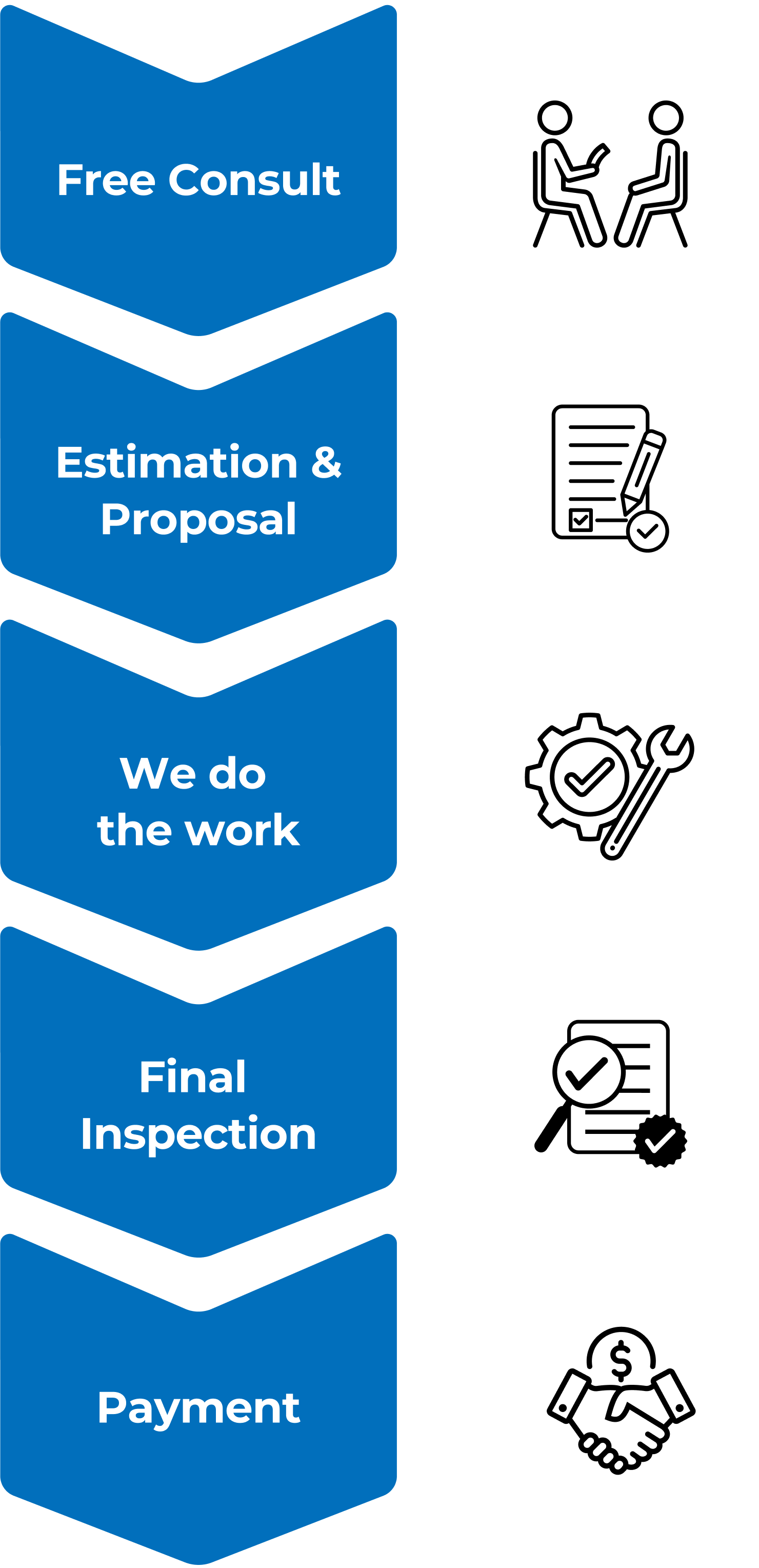
our process
Our process is simple and only contains a few simple steps

SERVICE AREAS
proudly serving Liverpool

FREQUENTLY ASKED QUESTIONS
Your questions answered
Can concrete in an older Glenfield home be polished?
It may be possible if the slab is in suitable condition. Older concrete can have cracks, patch repairs, adhesive residue or uneven areas that affect the final appearance. An assessment can help identify these issues and determine whether grinding, repairs or other preparation should take place before polishing.
Is polished concrete suitable for open-plan living areas?
Polished concrete can suit open-plan living areas where a continuous floor finish is desired. Its appearance depends on the concrete itself and the polishing process. Consider the room's lighting, expected foot traffic and cleaning requirements when choosing a finish, and check that the existing slab is appropriate for the intended result.
What should I check before polishing a concrete floor?
Check whether the floor has old coatings, adhesive residue, visible cracks, uneven patches or signs of moisture. These conditions may affect the preparation process and final finish. A professional assessment can help determine which issues need attention before polishing starts and whether the existing slab is suitable.
Can concrete polishing be part of a home renovation?
Yes, polishing may be considered when renovating a property, particularly after old floor coverings have been removed. The exposed slab should be inspected for adhesive, damage and previous repairs before selecting a finish. Discuss the timing with other trades so the floor is prepared after work that could damage or mark it.
How long should I keep people off a polished concrete floor?
The time required before using the floor depends on the polishing process and any sealers or coatings applied. Ask for specific guidance based on the treatment used at your property. Keep furniture and heavy items off the surface for the recommended period, and follow the care instructions provided after the work is completed.
READY TO take the next step?
get a free quote TODAY!
Tile and Concrete Polishing Professional
145 Kendall Drive, Casula NSW 2170