
BLOG
A Complete Guide to Concrete Polishing in Liverpool: Surface Preparation, Finish Options and Long-Term Floor Maintenance
Concrete polishing is a way to improve the appearance and surface performance of an existing concrete floor without covering it with another flooring material. In Liverpool, polished concrete can be found in homes, garages, retail spaces and commercial buildings, but the final result depends heavily on the condition of the original slab. Concrete varies in hardness, aggregate content, porosity and previous treatment, so two floors can respond differently to the same polishing process.
Understanding how preparation, grinding and finishing work together helps property owners make informed decisions about their floors. It also helps set realistic expectations about colour variation, surface marks and ongoing maintenance.
How Concrete Polishing Changes the Surface
Concrete polishing involves mechanically grinding the surface with progressively finer abrasive tooling. The early stages remove surface irregularities and prepare the concrete for refinement. Later stages reduce the visibility of grinding marks and develop the chosen level of sheen.
The amount of grinding required depends on the slab. A relatively smooth, sound floor may need less initial correction than one with old coatings, rough patches or uneven areas. If the surface contains cracks, deep stains or previous repairs, these conditions may remain visible after polishing.
The appearance also depends on how much of the concrete's aggregate is exposed. A light grind may leave most of the cement-rich surface visible, while deeper grinding can reveal sand and larger stones within the mix. Aggregate exposure cannot always be predicted precisely from the surface alone because the distribution of stones varies throughout the slab.
Polished concrete should not be confused with a clear coating applied over concrete. Mechanical polishing refines the concrete itself, while a coating creates a separate layer over the substrate. Each approach has different preparation requirements and maintenance considerations.
Why Surface Preparation Determines the Final Finish
Preparation begins with checking whether the slab is suitable for polishing. The floor should be assessed for loose material, contamination, old adhesives, paint, cracks and previous sealers. These can interfere with grinding or affect how the surface responds to later treatments.
Existing coatings may need to be removed before the concrete can be worked consistently. However, removing a coating can reveal defects that were previously hidden. Patch repairs may also differ in colour and texture from the surrounding concrete, particularly if the original slab has aged or developed staining.
Cracks require careful assessment. A stable shrinkage crack is different from a crack that continues to widen or shows vertical movement. Polishing can improve the surrounding surface, but it does not correct structural movement. Where there are signs of settlement or ongoing movement, the cause should be investigated before the floor is finished.
Moisture is another consideration. Dampness moving through a slab can affect some finishing products and may contribute to problems with coatings. If the floor has a history of water entry, rising damp or unexplained dark patches, the source should be investigated rather than simply covering the surface.
Good preparation establishes what can reasonably be achieved and helps avoid treating an underlying defect as an appearance problem.
Choosing the Right Sheen and Aggregate Exposure
The desired appearance should be considered alongside the slab's condition and intended use. A high-gloss finish reflects more light, making surface marks and variations easier to see under some lighting conditions. A lower sheen can produce a more subdued appearance, although it will still show the natural characteristics of the concrete.
Aggregate exposure also changes the overall look. Floors with limited exposure tend to show more of the cement paste, while deeper exposure produces a more stone-like appearance. The result depends on the concrete mix, the depth of grinding and the distribution of aggregate.
Colour variation is normal in many concrete slabs. Differences can arise from the original mix, curing conditions, repairs, previous spills and exposure to sunlight. Polishing does not make an inconsistent slab uniformly coloured, and deeper grinding may reveal additional variation.
Slip resistance should also be considered, particularly in entrances and areas likely to become wet. A highly reflective appearance does not tell you how slippery a floor will be. Surface texture, contaminants, footwear and moisture all affect traction. The finish should suit the environment rather than being selected on appearance alone.
Maintaining Polished Concrete in Residential and Commercial Spaces
Routine maintenance is generally straightforward, but the cleaning method matters. Fine grit carried indoors can act as an abrasive under shoes and gradually affect the surface appearance. Entry mats and regular dust removal help reduce this wear.
Use a suitable pH-neutral cleaner and follow the manufacturer's directions for dilution and application. Excessive detergent can leave residue that makes the floor appear cloudy or attracts dirt. Strong acids and harsh chemicals may also affect certain treatments or nearby materials.
Spills should be cleaned promptly, particularly oil, acidic liquids and strongly coloured substances. Although polished concrete can be durable, it is not automatically stain-proof. The concrete's porosity, the finishing system and the type of spill all influence how easily a mark can be removed.
In commercial spaces, maintenance frequency should reflect foot traffic and the amount of grit entering the building. A busy entrance may require more frequent cleaning than an office with limited movement. Dragging heavy equipment or furniture across the floor can also cause scratches, so suitable protective pads and handling methods are useful.
Over time, traffic patterns may produce areas that look duller than the surrounding floor. This does not always mean the concrete itself has failed. Dirt build-up, abrasion or changes in the surface treatment may be responsible. Identifying the cause helps determine whether routine cleaning or further surface work is appropriate.
Polished concrete can provide a practical flooring finish when the slab is suitable and the preparation is carried out correctly. Understanding the limits of the existing concrete, selecting a finish that suits the space and maintaining the floor according to its use are the main factors in preserving its appearance.
DISCOVER WHAT OUR CUSTOMERS HAVE TO SAY ABOUT US
REVIEWS
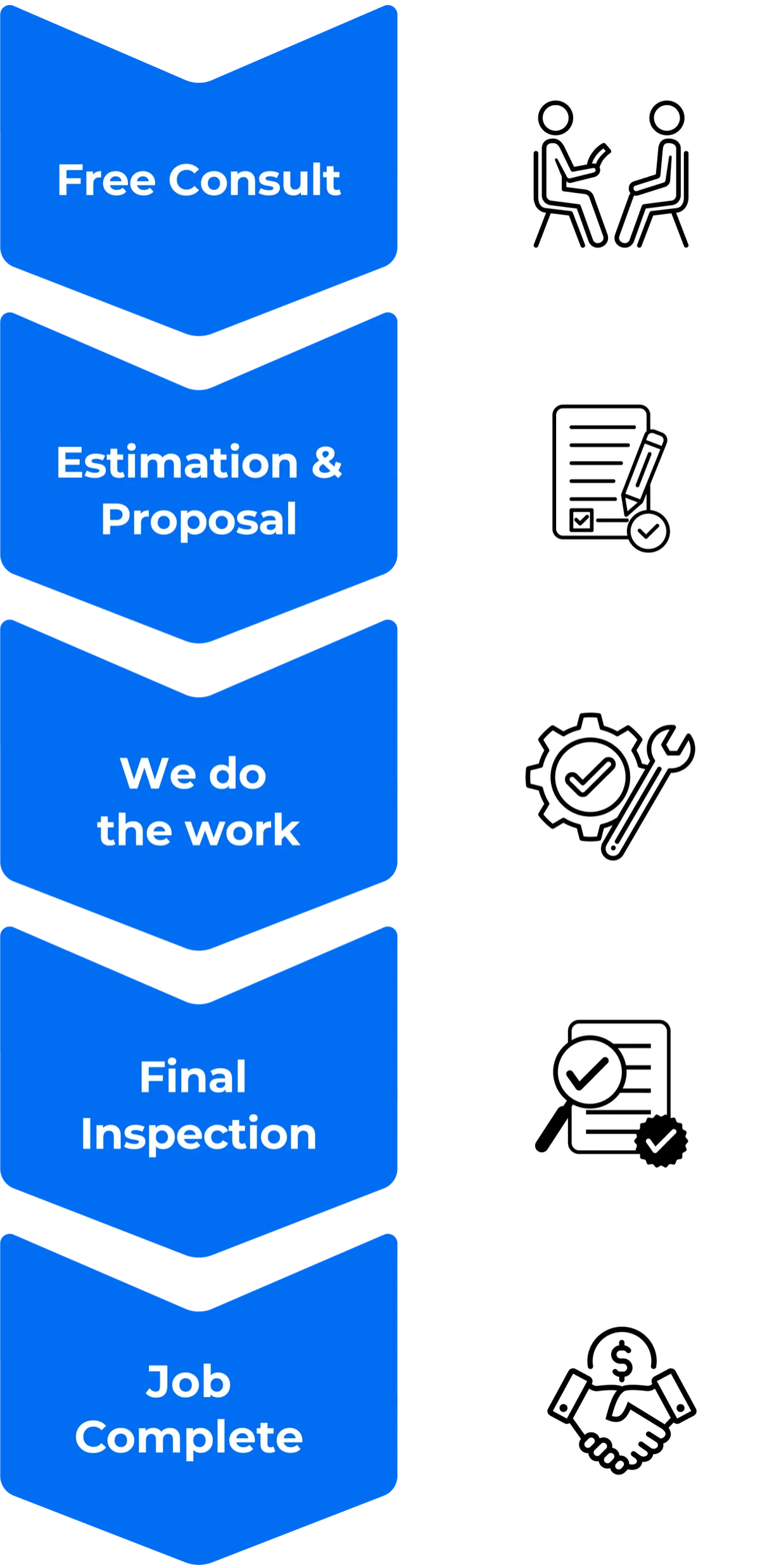
our process
Our process is simple and only contains a few simple steps

SERVICE AREAS
proudly serving Liverpool

READY TO take the next step?
get a free quote TODAY!
Tile and Concrete Polishing Professional
145 Kendall Drive, Casula NSW 2170